
Last year, the African Committee of Experts on the Rights and Welfare of the Child took a major step forward in addressing orphanage trafficking by recognising its reality in General Comment No. 10 on Children without Parental Care.
Orphanage trafficking is described as a practice in which children are “recruited, transferred, and harboured in institutions for the purpose of exploitation and profit.”
Yet despite this recognition, the issue remains largely ignored and invisible to the public. Many people still imagine orphanages as places of rescue, care and protection. They picture children who have nowhere else to go receiving care from
compassionate adults. The reality, however, is often very different.
Across many countries, orphanages actively recruit children from struggling families. They approach parents facing poverty, illness, disability, unemployment, or crisis and promise education, food, healthcare, and a better future. Desperate parents, wanting
the best for their children, are persuaded to surrender them. Children, often voiceless, are conditioned to believe that separation from their families and care givers is in their best interest.
What is rarely explained to parents and caregivers is that a child needs far more than food, shelter, and school fees to thrive. Children need love. They need identity. They need belonging. They need stable relationships with family members who know their
history, speak their language, understand their culture, and can support their emotional development.
When children are unnecessarily separated from their families, they lose more than a place to call home. They lose connections that are fundamental to healthy social, emotional, psychological, and cognitive development.
Generosity Fuels Orphanage Trafficking: The tragedy is that many of these orphanages continue to exist because we fund them. Generosity can become a powerful force for change, but when it is not guided by children’s rights and informed
by evidence, it can unintentionally fuel systems that harm children. This violence against children is sustained by our generosity.
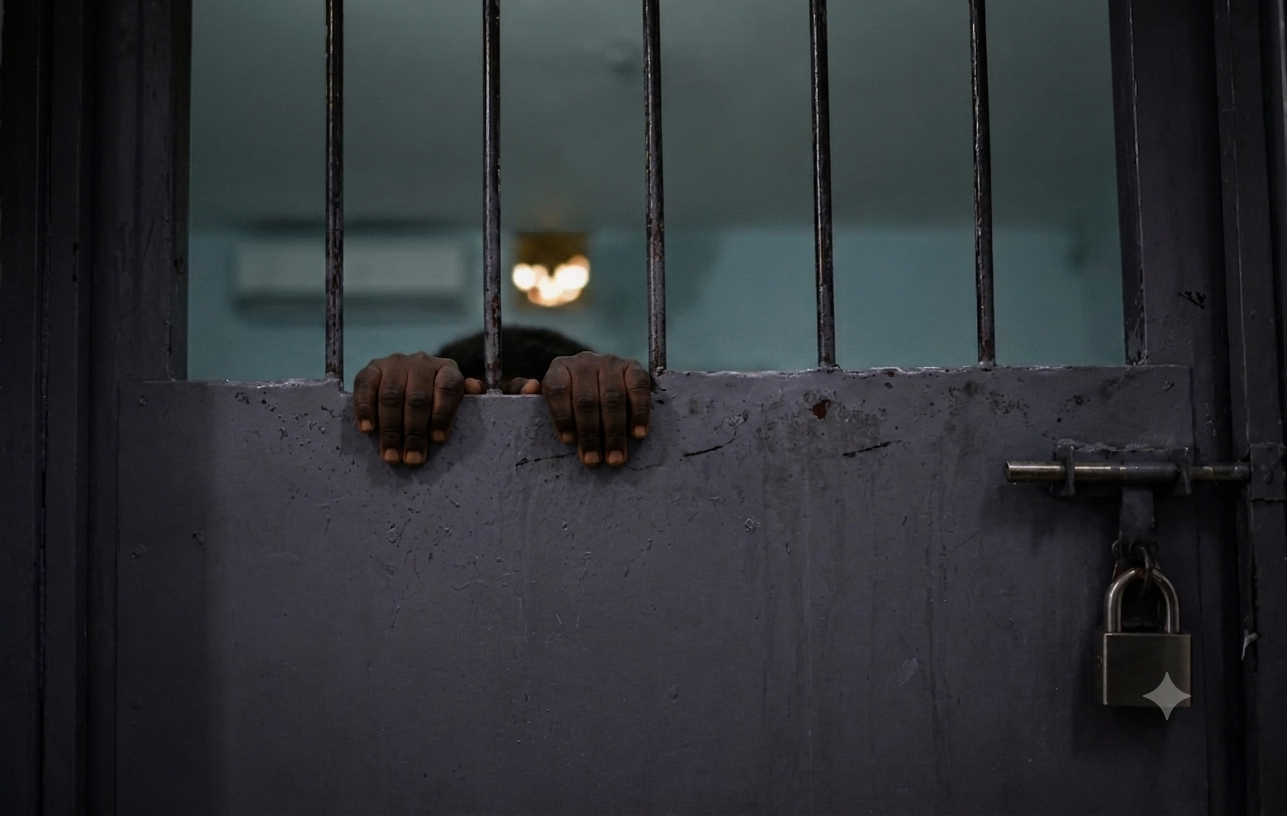
Every donation made without understanding the reality behind the walls can help keep children separated from their families and/ or even encourage more children to be separated. Every fundraising campaign built on images of institutionalised
children can create financial incentives to maintain the system. Every volunteer experience that treats children as objects of charity rather than rights-holders reinforces a model that strips children of their dignity.
Children must never become fundraising tools. Their stories should not be marketing materials, and their suffering should never become a source of income.
When keeping children in orphanages becomes more valuable than reuniting them with their families, that is not protection, it is exploitation. Government Accountability Cannot Be Ignored: While charities, donors, and volunteers have a responsibility to examine the impact of their actions, governments cannot escape accountability. The proliferation of orphanages across Africa is not happening in a vacuum. It is happening because governments have failed to regulate the sector. This should outrage us all.
Governments have a legal and moral obligation to protect children from exploitation, and that responsibility extends far beyond registration and inspection. It includes preventing family separation before it occurs. Yet, in many places, governments are allowing and investing more resources in institutions than in supporting struggling families to stay together.
- Why are we waiting for families to collapse before we intervene?
- Why are we spending money on separation instead of prevention?
- Why do parents have to lose their children before they can access support?
The Role of Social Protection: The link between orphanage trafficking and weak social protection systems is impossible to ignore. Where families lack access to economic support, healthcare, disability services, mental health support, parenting programmes, and community-based protection mechanisms, children become increasingly vulnerable to recruitment into orphanages.
Family separation is not inevitable. It is often the predictable consequence of policy failure. That is why ending orphanage trafficking requires more than closing institutions. It requires building strong systems where families receive the support
they need long before a crisis forces impossible choices.
A Call to Action
On this World Day Against Trafficking in Persons, we must confront an uncomfortable truth: orphanage trafficking continues because societies have tolerated the idea that some children deserve less than others. This must stop. Every child deserves the love, belonging, and identity that only families can provide.
Given the harm caused by orphanages, ending orphanage trafficking should never be treated as a gradual ambition or a distant aspiration. Every day we delay action is another day a child grows up without family care, is exposed to violence and abuse, is deprived of a fundamental right, and an institution profits from family separation.
The solution is clear. Stop funding orphanages. Start supporting families. Redirect donations into family-strengthening programmes, kinship care, foster care, social protection initiatives, education support, disability inclusion, healthcare access, and community-based services that help children remain where they belong.
Demand accountability from governments. Ask difficult questions about institutions that claim to help children. Support organisations that keep families together rather than those that profit from separating them.
Most importantly, recognise that every child has the right not merely to survive, but to thrive in a safe, loving, and nurturing family.
Orphanage trafficking persists in silence. It survives through ignorance. It flourishes through inaction.