

A social justice reflection on identity, belonging, education, welfare, participation, dignity, and economic opportunity for young people leaving care.
Introduction: Youth Aspirations Are Not Abstract
International Youth Day 2026, under the theme “Different Contexts, Common Aspirations,” reminds us that young people with lived care experience grow up in different political, economic, cultural, and geographic realities, yet often ask for the same things: opportunity, meaningful participation, decent work, quality education, belonging, and a sustainable future.
For young people in Africa moving from alternative care into adulthood, these aspirations are especially urgent. Their path to independence is often rushed, poorly supported, and shaped by unequal access to opportunity. From a social justice perspective, we must ask what societies owe young people whose childhoods were influenced by public decisions and structural inequalities.
Justice, Not Sympathy
Across Africa, care leavers face many of the same responsibilities as their peers, but often with fewer safety nets and greater risks. Many must secure housing, income, education, health care, relationships, and emotional support at an age when others can still rely on family. When support ends, often abruptly, independence becomes less of a milestone and more of a cliff edge. As one care leaver reflected, “People celebrate when you turn 18 because you are now free. But freedom without support can feel like abandonment.”
The question is not whether care leavers are resilient enough to survive. They demonstrate that resilience every day. The real question is whether societies are willing to build fair systems that address the root causes of abandonment and separation, recognize their rights, repair harm, and create genuine opportunities to thrive.
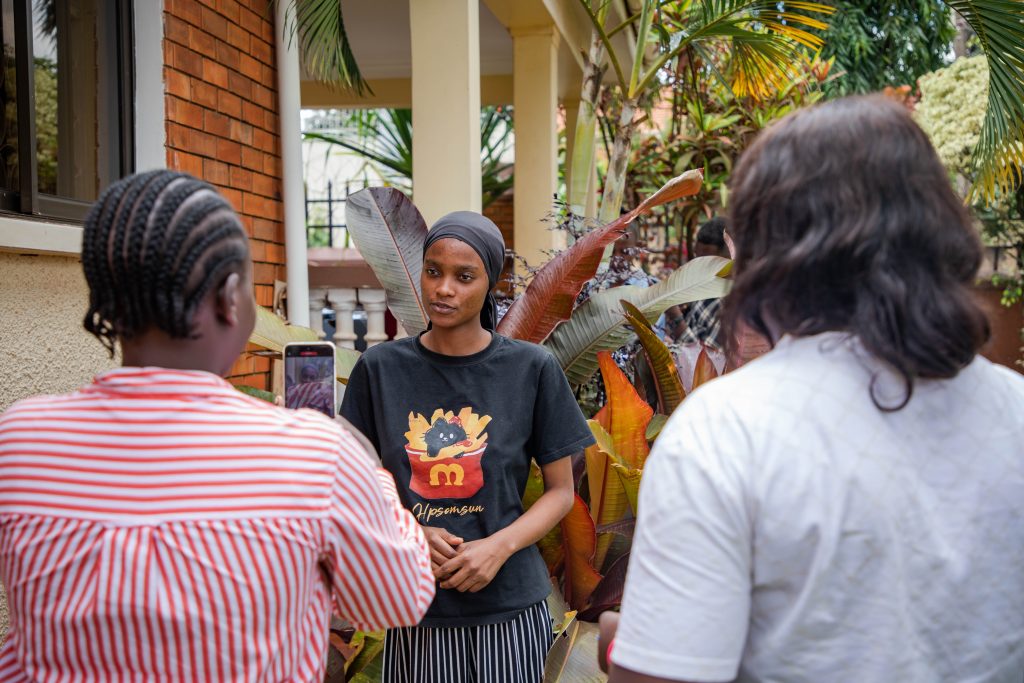
While circumstances differ across countries in Africa, care leavers consistently speak about a common set of aspirations. They want to know who they are, where they belong, and that they will not have to navigate adulthood alone. They want educational opportunities, support when challenges arise, a voice in decisions that affect them, and a fair chance to build their futures.
Knowing Who You Are and Where You Belong
Care systems should ensure that entering care does not mean losing one’s history, culture, or sense of self. Leaving care without a birth certificate or national ID can block access to education, employment, housing, health care, and social protection services. Ensuring these documents are available should never be optional; it is a matter of dignity, inclusion, and equity. Young adulthood is also built through relationships. Care leavers consistently speak about the importance of family, mentors, peer networks, siblings, community connections, and spaces where their experiences are understood without stigma.
As one young person reflected, “I didn’t need people to solve all my problems. I needed to know there was someone I could call when things went wrong.”
Belonging protects against isolation, homelessness, poor mental health, and exploitation. A social justice perspective rejects the expectation that care leavers should become independent faster than everyone else. Belonging and identity alone cannot overcome structural barriers. To turn hope into possibility, care leavers need meaningful educational opportunities to grow and pursue their ambitions. For many care leavers, education is where aspiration meets opportunity. It is not only a pathway to employment but also a route to confidence, independence, and self-determination.
Yet care systems too often fail to support young people to stay in education. School disruption, poverty, stigma, trauma, caring responsibilities, and limited access to technology can make learning difficult. To be fair, systems need to invest in scholarships, tuition support, academic mentoring, apprenticeships, and second-chance learning opportunities.
One care leaver captured this reality simply: “Education opened doors for me, but staying in school often depended on support that disappeared when I needed it most.” Education can open doors, but young people cannot walk through those doors without support and stability.
For many care leavers, the challenge is not simply gaining opportunities but having the stability and security needed to benefit from them. To allow them to fully participate in society, many care leavers need safe housing, food security, health care, mental health services, disability support, and guidance navigating public systems.
As one care leaver put it, “The end of care should never be the end of support.”
Although some countries in Africa recognize care leavers as a vulnerable group, few invest in their aftercare journey. Without strong support, care leavers face greater risks of homelessness, unemployment, substance abuse, and contact with the justice system. This support works best when it reflects the realities and needs of the young people it is meant to serve. That is why care leavers should not only receive services; they should also help shape them.
From Being Heard to Having Influence:
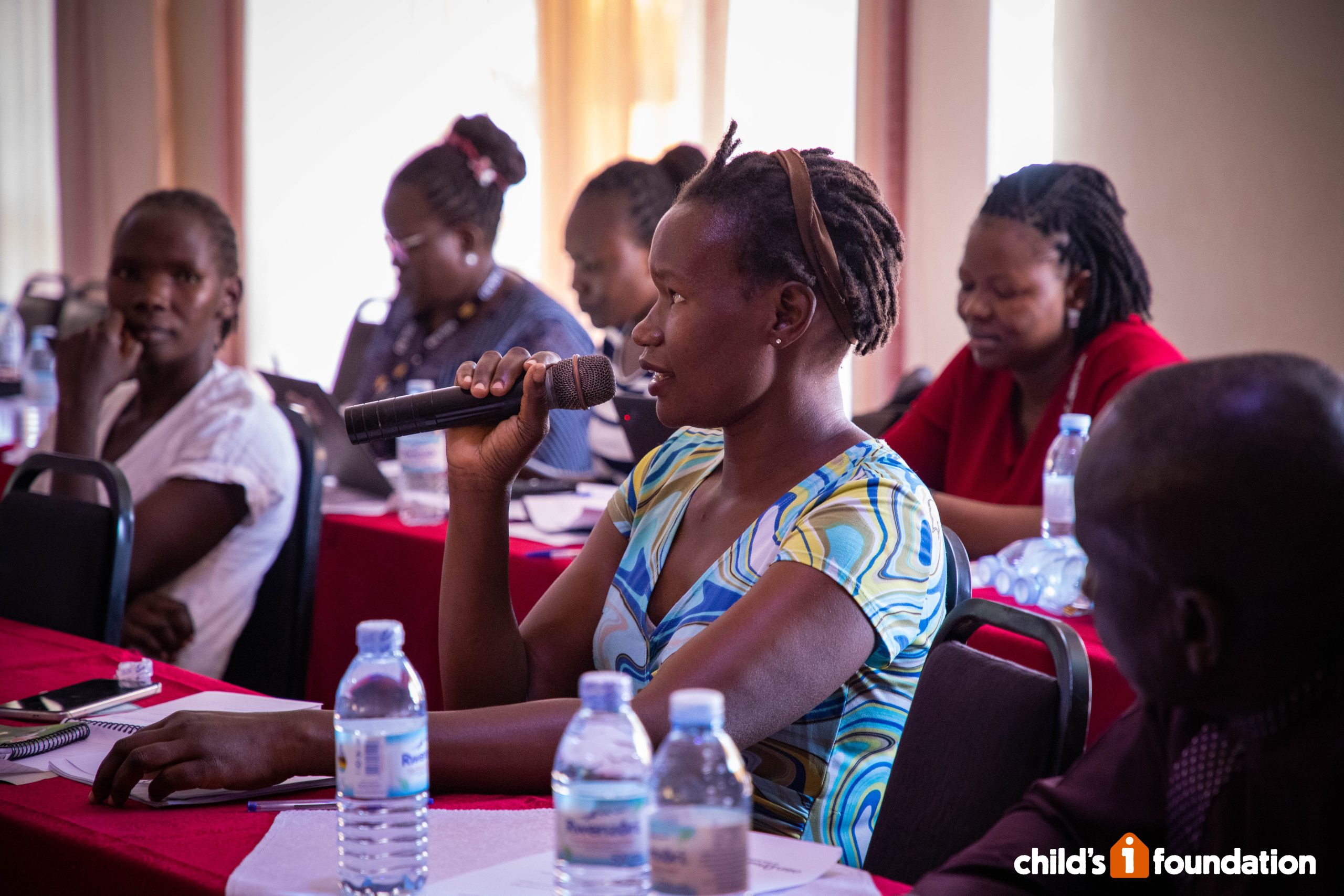
This is where participation moves from being a principle to a necessity. Care leavers are experts in the systems they have experienced. Their voices should shape policies, budgets, programmes, research, monitoring, and advocacy efforts.
Meaningful participation requires power: leadership roles, fair compensation, safeguarding measures, feedback mechanisms, and opportunities to shape agendas from the beginning. As one young advocate noted in one forum, “Too often we are invited to speak after decisions have already been made. Real participation means helping make the decisions.”
Transformative change begins when they are recognized as professionals, advocates, innovators, and leaders. Ultimately, meaningful participation is about recognizing the inherent worth and agency of every young person. In other words, it is about dignity. Dignity is not a separate aspiration. It is the thread that runs through every issue raised by care leavers, from identity and education to participation and economic opportunity.
Care leavers are asking to be treated not as problems to be managed, but as people with rights and ambitions. This means ending stigma and discrimination, protecting privacy, using respectful language, and ensuring services are delivered with humanity and respect. It also means recognizing that support is not an act of generosity. It is part of the responsibility owed to young people whose lives were shaped by care systems. Yet dignity cannot exist in principle alone. It must be experienced in everyday life through access to opportunities, resources, and the means to build a secure future.
For many care leavers, economic opportunity is where rights and aspirations become reality. Economic justice sits at the heart of a successful transition from care. Many young people need assistance with rent, food, transport, job placement, and workplace readiness. Without these interventions, expectations of independence can push young people into unsafe housing, exploitative work, and/or interrupted education. As one care leaver observed, “People expected me to stand on my own feet overnight, but no one starts a race from the same starting line.”
Investment by governments and partners could include leaving-care grants, housing pathways, vocational and tertiary education support, employment schemes, and social enterprise development. These measures do not exist in isolation. Behind every successful transition are policies, investments, and public systems that either create opportunity or restrict it. The conversation therefore returns to a broader question of responsibility.
From Individual Resilience to Collective Responsibility: Too often, care leaving is framed as an individual challenge to be overcome through resilience. In reality, it is also a test of stakeholder accountability. If governments and institutions have played a role in a child’s care, they must also play a responsible role in that young person’s transition into adulthood.
Social justice requires us to ask who bears the cost when systems fail to invest adequately. Too often, that burden falls on the young person. It should not.
The aspirations of care leavers are neither extraordinary nor unrealistic. They are the same aspirations that young people everywhere hold. What makes them urgent is the unequal starting point from which many care leavers begin.
They are also the aspirations reflected in this year’s International Youth Day theme: dignity, opportunity, participation, education, work, belonging, and hope. Achieving them, however, requires more than celebrating young people’s resilience. It requires systems that are willing to be accountable for their futures.
Conclusion: Common Aspirations Require Common Responsibility
International Youth Day 2026 invites us to recognize the diversity of young people’s experiences while acknowledging the aspirations they share. For care leavers, those aspirations are profoundly human: to know who they are, to belong somewhere, to learn, to be safe, to be heard, to live with dignity, and to build a secure future. As one young person with lived care experience reflected, “We are not asking for special treatment. We are asking for the same chance to succeed that every young person deserves.”