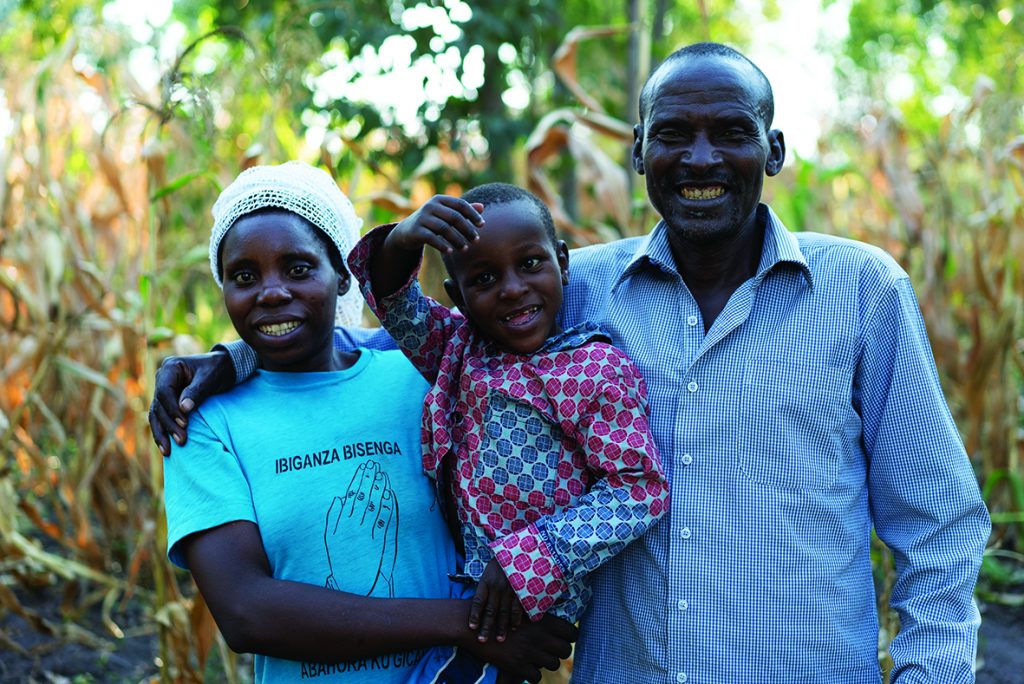
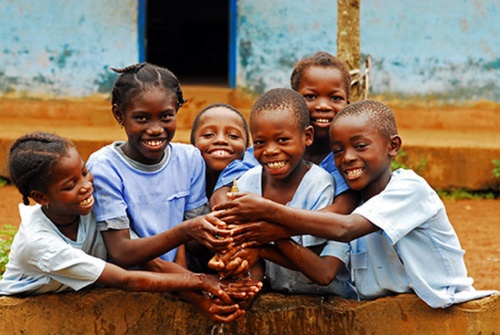
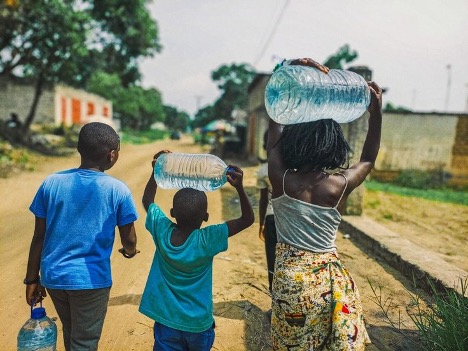
In a rural village in South-Western Uganda, a care giver or an older sibling wakes before sunrise. Before she can prepare a child for school, tend to her garden, or begin her day, she must walk to collect water. On some days, the journey takes an hour. On others, longer. The water she returns with will determine much of what happens next. Whether children attend school clean and ready to learn. Whether medicines can be taken safely. Whether meals can be prepared. Whether disease is prevented. Whether dignity is protected. Water is rarely just water.
For millions of children across Africa, access to safe water, sanitation, and hygiene determines whether they thrive or merely survive. As we mark the Day of the African Child 2026, under the theme “Ensuring Universal Access to Water, Sanitation and Hygiene for Every Child in Africa,” we are reminded that some of the greatest barriers facing children are also among the most basic. The Day of the African Child itself commemorates the courage of the young people of Soweto who, on 16 June 1976, stood up for their right to education and dignity.
Fifty years later, African children continue to remind us that rights are not realized through policies alone; they are realized through action. Today, one of those actions is ensuring that every child has access to safe water. At Nyaka global, we see this reality every day. For 25 years, we have worked alongside grandmothers, families, communities, schools, health facilities, and local government in rural South-Western Uganda. We have learned that access to water is connected to almost every outcome we care about.
It affects education. Girls are often the first to miss school when water sources are distant or sanitation facilities are inadequate. Adolescent girls are disproportionately affected when schools lack safe and private hygiene facilities. It affects health. Unsafe water contributes to preventable illness, malnutrition, and disease, placing additional strain on already vulnerable households. It affects child protection. When families spend hours each day searching for water, children can be exposed to exploitation, neglect, unsafe journeys, and increased household pressures. And it affects care. Across Africa, we know that family separation is often driven not by a lack of love, but by poverty, vulnerability, disability, illness, and weak support systems.
Access to water is part of the ecosystem that enables families to care for children safely and sustainably. A family struggling to meet its most basic needs is a family under pressure. This is why water matters to care reform.
Too often, discussions about alternative care focus on what happens after a family reaches crisis. Yet lasting change comes from preventing crisis in the first place. It comes from strengthening families, strengthening communities, and strengthening the systems that support them. A child is far more likely to remain safe and thrive when families have access to the services and infrastructure they need, including clean water, sanitation, and hygiene.
The African Union recognized this reality through Agenda 2040: An Africa Fit for Children and Agenda 2063, both of which affirm access to safe water and sanitation as fundamental to children’s wellbeing and development. These commitments challenge all of us, governments, civil society, development partners, businesses, and communities, to move beyond aspiration and into implementation. For children with disabilities, this challenge is even greater. Inclusive WASH facilities remain limited across much of the continent, excluding many children from education, healthcare, and community life. Universal access must mean universal access. No child should be left behind because infrastructure was not designed with them in mind.
As climate change intensifies droughts, floods, and environmental pressures across Africa, the urgency of this agenda will only grow. Communities on the frontlines of climate change are often the same communities facing the greatest barriers to safe water. Yet there is reason for hope. Across Africa, communities are demonstrating remarkable resilience. Local governments are investing in stronger systems. Grandmothers continue to hold families together. Young people are leading change. Community organisations are building practical solutions.
Partnerships are emerging that recognise communities not as beneficiaries, but as primary actors in their own development. The challenge before us is clear. Not simply to provide water points. Not simply to build latrines. But to ensure that every child, regardless of where they are born, whether they live in a city, a village, or a remote last-mile community, can access the basic conditions required to live with dignity.
On this Day of the African Child, let us remember that access to water is not simply a development issue. It is a children’s rights issue. It is a care issue. It is a dignity issue. And it is a responsibility we all share. You may want to verify these: Around 400 million people in sub-Saharan Africa lack access to basic drinking water services. Women and girls spend an estimated 40 billion hours every year collecting water in sub-Saharan Africa. More than one in four people in Africa lack access to safely managed drinking water. Unsafe water, sanitation, and hygiene contribute significantly to preventable childhood illness and death.
Author Christopher Muwanguzi from Nyaka global.